
By ABIGAIL NEHRING
November 2, 2026
Two years after the January 2025 firestorms devastated L.A., the pace of rebuilding in the Palisades and Altadena is still glacially slow.
Developers leading the recovery spoke to the Business Journal about delays caused by insurers, lenders and utilities.
In Altadena, where the Eaton Fire destroyed more than 9,419 structures, only 254 new homes have been completed, according to county data.
…
“It’s slower than I thought we’d be almost two years after,” said Sean Burton, chief executive of Century City-based Cityview. The multifamily development firm launched Genesis Builders last year to provide simple architectural templates for families rebuilding in Altadena.
…
Burton said financing is the biggest issue his clients face, in part because many were underinsured on homes held in families for generations. Klatte said all four of his Altadena rebuilds are fully funded by insurance, but one prospective client had waited more than two months for her adjuster to respond to an estimate he submitted at the end of July.
“It’s very difficult for them to start planning without a budget,” Klatte said.
Fixed prices, and sellers
In response, some builders are pitching certainty. Cityview’s Genesis Builders provides a catalog of preapproved plans, guarantees a price and a one-year schedule.
Burton said its homes run $700,000 to $1 million. Genesis is now working with 40 families and had 16 homes under construction as of mid-September, according to the company.
…
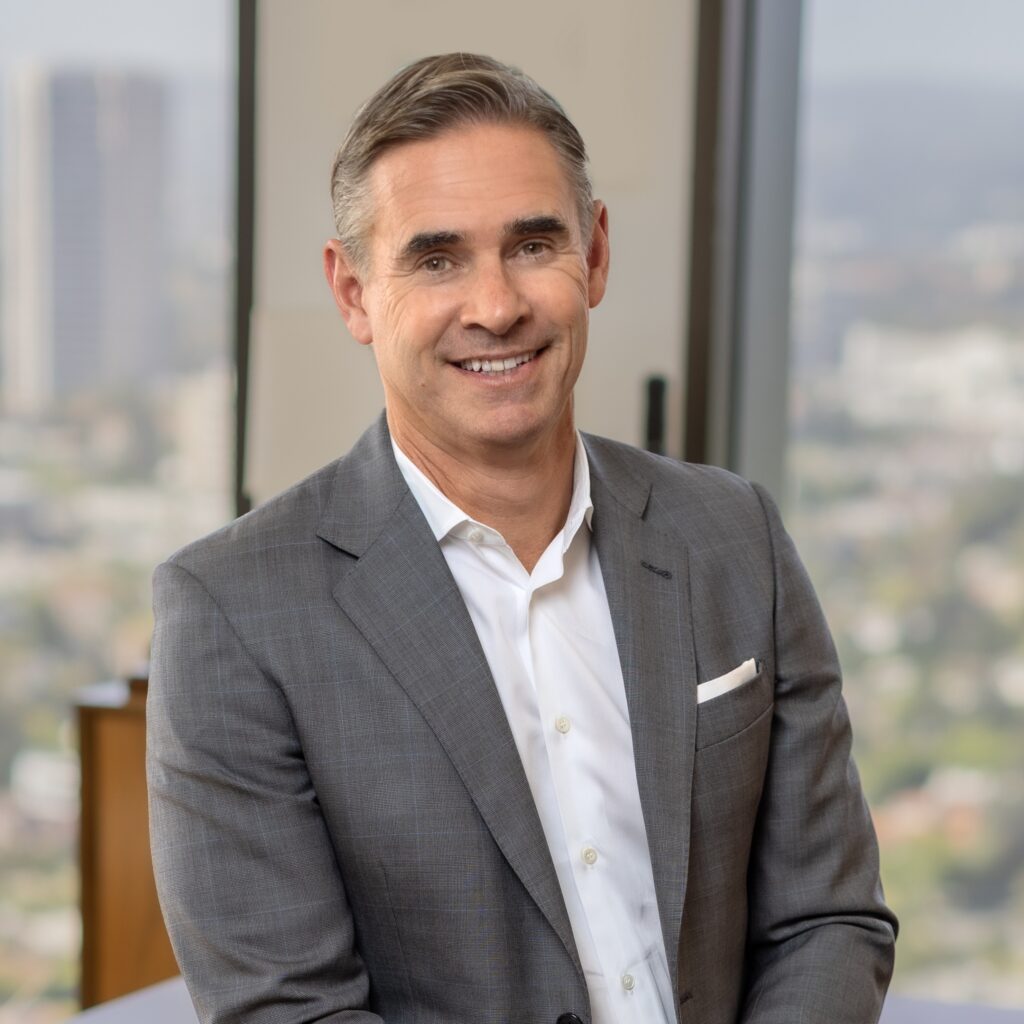
Q&A: Sean Burton,
Cityview
Sean Burton watched the dark plume rise over the Palisades from his office window on Jan. 7, 2025.
The 55-year-old chief executive and investment officer of Century City-based multifamily developer Cityview, whose brother served as a Los Angeles Fire Department firefighter for 37 years, recognized the ominous smoke column as a fire burning out of control. That night, he evacuated his home in the hills above UCLA.
The following week, when the flames had died down, Mayor Karen Bass called Burton for advice. He convened former U.S. Department of Housing and Urban Development secretaries and Federal Emergency Management Agency officials to sketch a recovery playbook for her office.
Then he turned to his own firm. Cityview, which Burton has led since 2010, built its business on infill multifamily housing financed by public pension funds, insurance companies and other institutional investors.
After the Palisades and Eaton fires, the company launched Pasadena-based Genesis Builders, a venture that rebuilds single-family homes in Altadena from a catalog of county-preapproved plans. Genesis guarantees a fixed price, a one-year construction schedule and 10-year warranty. Burton said the venture is rebuilding for more than 40 Altadena families and will deliver its first home in November.
Burton spoke with the Business Journal about Genesis, the pace of Altadena’s recovery and a local capital market he called “worse for real estate than the great financial crisis.” His answers have been edited for length and clarity.
You became president of Cityview in the middle of the financial crisis. What was that like?
We started Cityview in 2003 to take institutional capital and build infill housing for a generation we thought would want to live near jobs, transit and culture. We called it a double bottom line: doing good for investors and for communities. When the financial crisis hit, the president left, and the partners asked me to step in. I like to say it was like being promoted to captain of the Titanic after it hit the iceberg. We pivoted to multifamily and vertically integrated, building our own development, construction management and property management teams. We had 10 or 12 people then. Now we have close to 200.
Where were you when the Palisades Fire started?
Right here. I can see the Palisades from my office. My brother was an LAFD firefighter for 37 years, and the Palisades was his last station, so I grew up paying attention to smoke. When it’s black, it’s actively burning. I said, “That’s no small fire.” I live in the hills above UCLA, and we evacuated twice. I backed the SUV into the garage, loaded it and got the call in the middle of the night. We were in a hotel in Westwood for three or four days. The fire never jumped the 405, but we know probably 50 families who lost their homes.
How did you get involved in the recovery?
That Saturday night, the mayor called and asked for advice. I told her to talk to people who’d done this before, people from FEMA or HUD who dealt with Sandy or Katrina, because there’s a playbook. She asked me to help put something together. The next week, we brought in two former HUD secretaries and a number of FEMA people for three hours, and the mayor’s office went and implemented a bunch of things.
Why did Cityview focus on Altadena?
We’re the largest multifamily builder here, but there’s not a lot of multifamily that needs to be rebuilt. We decided the people in Altadena needed the most support, and we had built for-sale homes in our early years. About 6,700 structures burned there, and about two-thirds were between 1,200 and 2,200 square feet. So we designed four architectural styles and six floor plans in that range, consistent with Altadena’s architecture, and got them preapproved by the county, which saves months. Then we can build five or 10 at a time and buy appliances and paint in bulk. We figured we could come in 15-20% below a one-off home.
What did residents say they needed?
They were worried about cost overruns, delivery time and quality. So the day we sign the contract and start building, we guarantee the price. If there are overruns, whether it’s tariffs or anything else, we eat it. We deliver within a year of starting construction, and if we don’t, we pay damages every day. We give a 10-year warranty, and we go a level above what the fire code requires.
What does a home cost?
About $700,000 to $1 million, depending on how big people go. More than 70% of our customers want an ADU, so we offer a 600-square-foot unit, a 1,200-square-foot two-story unit or one over a garage. A lot of older residents want an attached garage, so we added that, too. We’re up to 28 approved plans.
How many homes are you building?
Over 40, which makes us the largest builder in Altadena. Most people are doing one-offs with an architect. We started our first home in February and we’ll deliver it in November, and then we’ll deliver homes every week.
What has been hardest?
Building trust. Altadena was very concerned about people coming in and taking advantage.
And people would look at our homes, then go to a rebuilding fair where an architect said, “I’ll design the home of your dreams.” They’d pay $30,000 and months later the builder would say it’s $1.5 million. But they only have $800,000 in proceeds. So then they come back to us.
How would you describe the pace of the recovery?
It’s slower than I thought we’d be almost two years after. There are maybe a few hundred homes under construction out of 6,000. There may have been a couple thousand permits pulled, but you can pull a permit without financing. A lot isn’t settled: the lawsuit against the utility, the settlement, insurance. Financing is the number one issue we help clients solve.
A lot of people were underinsured because the home had been in the family for generations, and costs have gone up. As that becomes clearer over the next few months, I think you’ll see a wave of building.
How many owners do you expect to sell instead?
Early on, there was a lot of fear about that.
Now people who’ve relocated are saying, “Don’t get on my case because I want to sell.”
Cityview doesn’t buy lots; we only work with existing homeowners. We studied other fires, like Paradise, and generally 25% to 30% of people never rebuild. My guess is Altadena will be around the same.
How are capital markets affecting Cityview’s housing pipeline more broadly?
For real estate, this period is worse than the financial crisis. Back then, rates were cut, so you could work your way through things. Now the 10-year Treasury is the highest it’s been in a quarter century. About 80% of what we do today is buying existing buildings and putting capital in. Ground-up development is maybe 20%, and we pick our spots. We have a project in Westchester that took four years and 40 community meetings to entitle. It will have more than 70 affordable units with no government subsidy and about 430 market-rate units.
What would you most like to see from city leaders?
Serious reform of Measure ULA. It’s causing L.A. to dramatically lag its peers in new housing, and it’s costing the city and the school district revenue. Most affordable housing here comes in projects like ours, where 10-20% of units are affordable and the city pays nothing. You need an exemption for new development in the 15-year range, and the tax is too high on all multifamily. This isn’t just a housing issue. The number one reason employers say they don’t come here, or leave, is that their employees can’t find housing.
Read more: Who’s Who in Real Estate: The Rebuilders – Los Angeles Business Journal